
What’s actually Organic in your home?
Search 409 organic and naturally-made home products from over 30 brands across 13 categories, or browse them all below. We name the certification each one actually carries — and say so plainly when a product only claims “natural.”
Independently curated · Every certification named · No paid placement
13 categories, 409 products
Shop by category
Every category in the house, with the certifications we check named on each product.
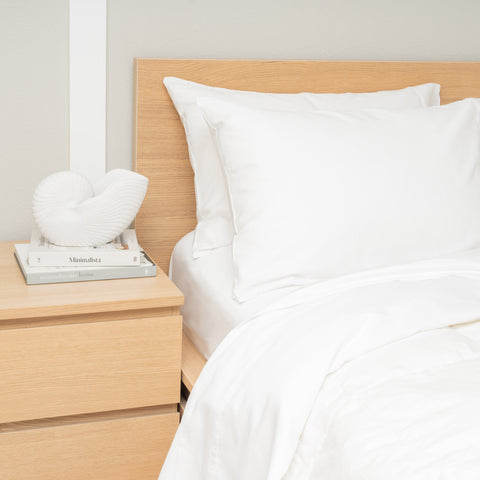
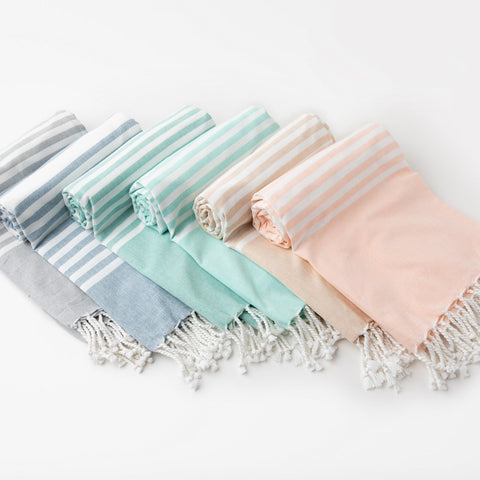
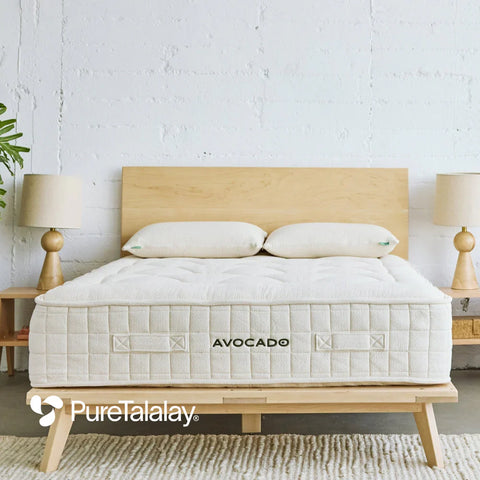
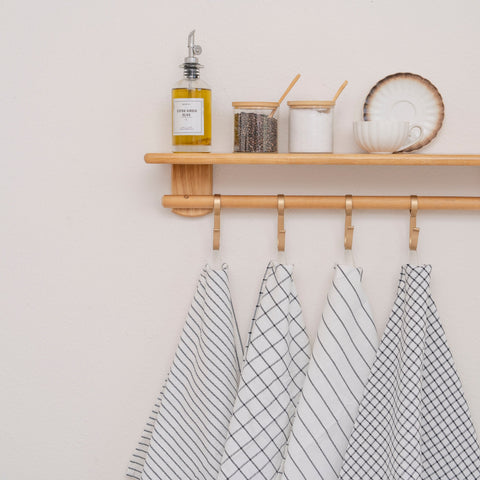




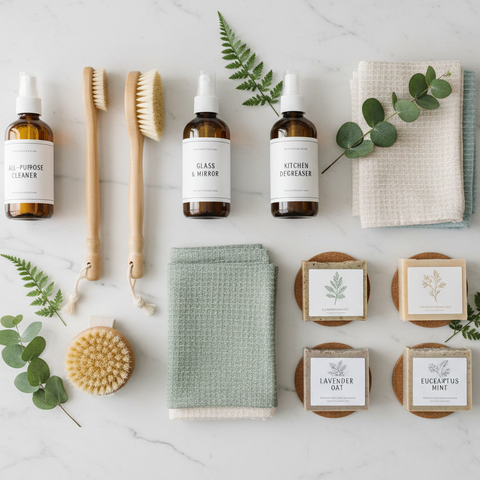
Bestsellers — start here
Our most-bought organic home essentials, with the brand, the price and the certification up front.
-
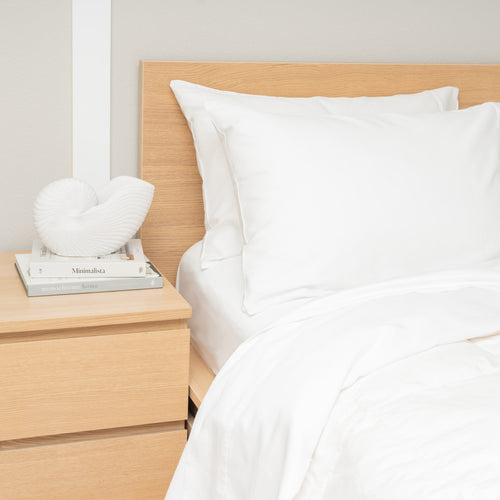 BestsellerGOTS·300 TC
Organic Cotton MartOrganic Sateen Bed Sheets Set
From $49.99
Choose options
BestsellerGOTS·300 TC
Organic Cotton MartOrganic Sateen Bed Sheets Set
From $49.99
Choose options
-
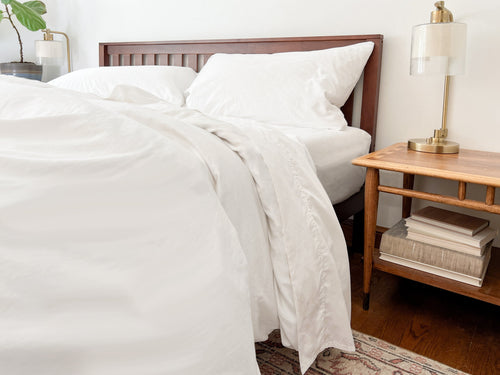 Best ValueGOTS·220 TC
Organic Cotton MartOrganic Percale Bed Sheets Set
From $54.99
Choose options
Best ValueGOTS·220 TC
Organic Cotton MartOrganic Percale Bed Sheets Set
From $54.99
Choose options
-
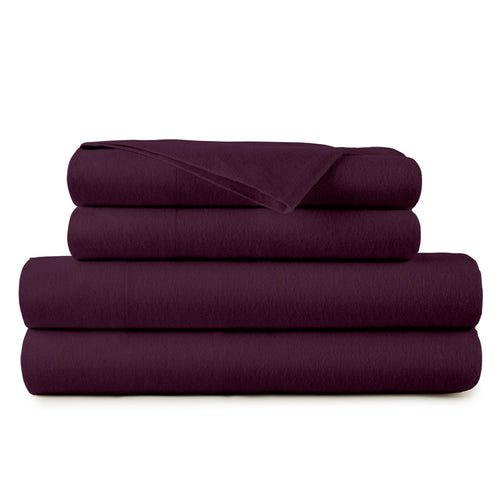 BestsellerGOTS·170 GSM
Whisper OrganicsOrganic Flannel Sheet Set
From $132.99
Choose options
BestsellerGOTS·170 GSM
Whisper OrganicsOrganic Flannel Sheet Set
From $132.99
Choose options
-
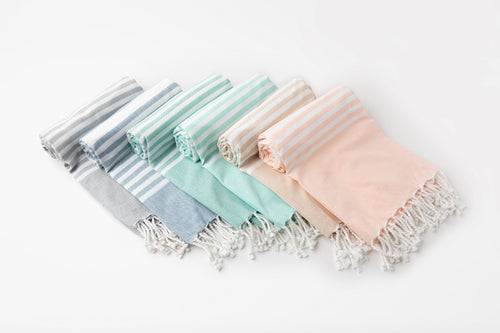 GOTS·Turkish flat weave
Organic Cotton MartTurkish Beach Towels
From $14.99
Choose options
GOTS·Turkish flat weave
Organic Cotton MartTurkish Beach Towels
From $14.99
Choose options
-
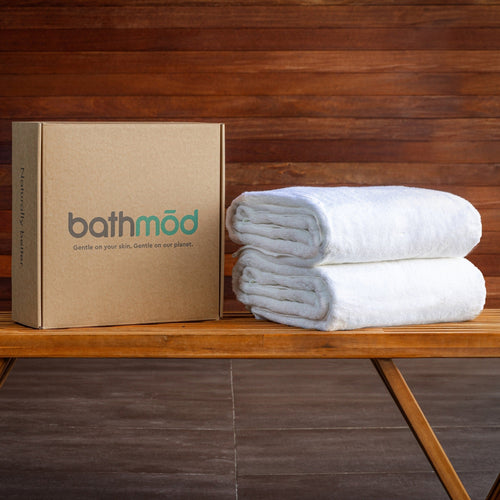 Customer FavoriteGOTS·600 GSM
ecobrands®Luxury Organic Bath Sheets (Two Pack) - GOTS Certified, Soft, Eco-Friendly
$149.00
View product
Customer FavoriteGOTS·600 GSM
ecobrands®Luxury Organic Bath Sheets (Two Pack) - GOTS Certified, Soft, Eco-Friendly
$149.00
View product
-
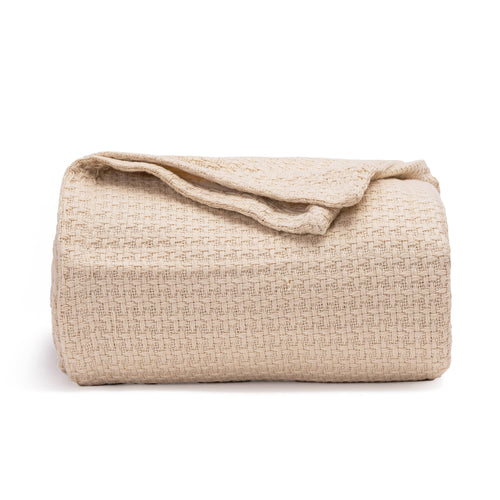 Best ValueGOTS·350 GSM
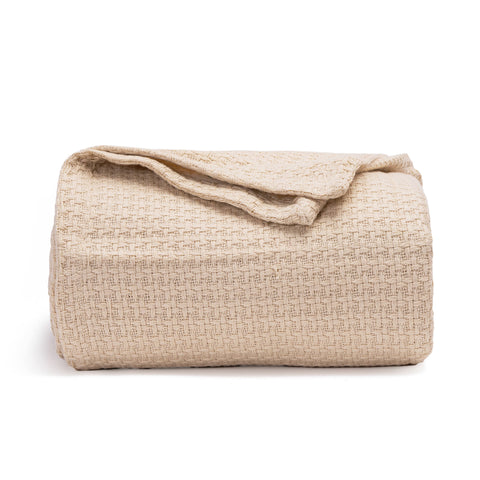
Organic Cotton MartBasket Weave Blanket
$69.99
Choose options
Best ValueGOTS·350 GSM
Organic Cotton MartBasket Weave Blanket
$69.99
Choose options
Organic, answered
What does GOTS actually certify?
GOTS — the Global Organic Textile Standard — certifies the entire supply chain: fiber, spinning, dyeing, finishing and sewing. It also bans a long list of chemical inputs. The catch is that a brand can use GOTS-certified cotton and still sell a finished sheet that is not itself GOTS certified, so look for certification on the finished product, not just the fiber. Certifications, decoded →
Does “natural” or “made with organic cotton” mean organic?
No. “Made with organic cotton” can mean as little as 10 percent organic content. “Bamboo” without an OEKO-TEX certificate is usually rayon processed with harsh solvents. And “eco-friendly” and “sustainable” have no third-party verification behind them at all. When a product only makes a claim, we say so rather than dress it up. Certifications, decoded →
Does OEKO-TEX mean a product is organic?
No. OEKO-TEX Standard 100 tests the finished textile for harmful substances — it says nothing about how the fiber was farmed. It is a real safety certification and a good companion to GOTS, or to European Flax on linen, but it is not a substitute for an organic standard. Certifications, decoded →
GOTS, GOLS, Fair Trade — which one covers what?
They cover different things. GOTS covers organic fiber and processing across the textile supply chain. GOLS — the Global Organic Latex Standard — verifies organic latex content and processing, which matters because “natural latex” without it may be a synthetic blend. Fair Trade Certified covers labor and wage standards, not organic farming. For foam, GreenGuard Gold sets chemical-emission limits and MADE SAFE screens for hazardous chemicals. Certifications, decoded →
How does a product get listed on iOrganic?
We curate; we do not lab-test. A product has to be made from organic or natural fiber rather than a synthetic blend in green marketing; carry a certification that means something — GOTS, GOLS, OEKO-TEX, Fair Trade; publish real specifications, including fiber content, weave, weight and country of origin where available; and come from a supplier whose materials and certifications we can point to. We don’t publish fabricated scores or test verdicts, and we don’t claim to lab-test or wash-test products ourselves. Read The Standard →
How does iOrganic make money?
We sell organic and naturally-made home goods and earn a margin on what we sell — that is our primary revenue. When we recommend something we don’t stock, the link may be an affiliate link and we may earn a small commission at no extra cost to you. We don’t take payment in exchange for placement, coverage or a recommendation. How we make money →
Guides and long-term reviews
How to read GSM, weave and certification — and what we would actually buy.
- The Organic Throw & Blanket Buyer's Guide (2026)Throws are where organic standards quietly disappear. Here's how to tell a real GOTS cotton throw from acrylic dressed up as cozy.Read the guide
- The Organic Bath Towel Buyer's Guide (2026)A towel is simple, which is exactly why it's easy to cheapen. Here's how to read GSM, weave, and certification — and what we'd actually buy.Read the guide
- The Organic Cotton Sheet Buyer's Guide (2026)We slept on 14 GOTS-certified organic cotton sheet sets over six months. Four made the cut, two under $250. Here's what passed our 30-wash test — and what failed.Read the guide
The Standard
Know what you’re buying.
The Standard is our published methodology: what we look for, what we will not claim, and how a product earns a place here.
Or skip the reading — answer five questions and we will match you to organic sheets for your sleep style, temperature and budget.
The four certifications worth looking for
What each one covers — and what it does not.
Organic fiber verified farm-to-finished, with social and environmental criteria.
Every component tested for harmful substances — safe against skin.
Certifies organic latex content and emissions limits for mattresses.
Verifies fair wages and safe conditions for the people who made it.